
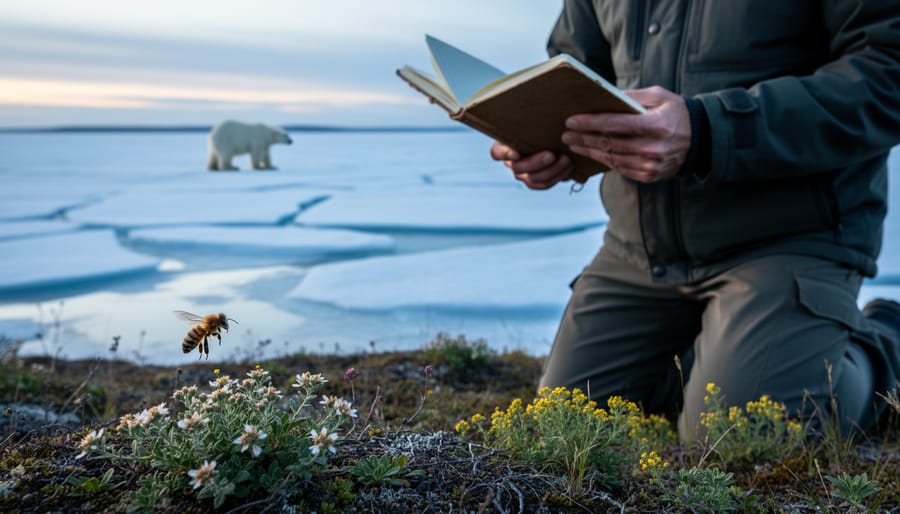
Questions about wildlife are gateways, not tests. Every person who cares enough to ask how polar bears survive warming Arctic waters, why bees are vanishing, or whether feeding backyard birds actually helps has already taken the most important step toward conservation. The answers matter less than the curiosity driving them.
Wildlife faces unprecedented challenges in 2026, from habitat loss affecting 85% of threatened species to climate shifts forcing entire ecosystems to adapt or collapse. Yet the most significant barrier to conservation isn’t technical or financial. It’s the silence of people who want to help but hesitate because they don’t know enough, haven’t done enough, or fear asking the “wrong” questions. That hesitation costs wildlife dearly.
The truth is simpler than most realize. Understanding wildlife conservation doesn’t require a biology degree or years of field experience. It starts with recognizing that your questions, whether about why monarch butterflies migrate thousands of miles or how wolves change rivers, connect you to the same wonder that drives professional conservationists. Those questions reveal what matters to you, and that emotional connection fuels every meaningful action, from choosing sustainable products to protecting local habitats.
This guide answers the questions people ask most about wildlife while addressing the deeper need beneath them: finding your place in conservation work that feels both urgent and overwhelming. You’ll discover why certain species capture our attention, what threats they actually face, and how everyday choices influence outcomes thousands of miles away. More importantly, you’ll see how asking questions transforms you from observer to participant in the most critical conservation moment our generation will face.
Why We Stop Asking Questions About Wildlife
We’ve all been there: scrolling through news about disappearing species or shrinking habitats, our minds brimming with questions, yet we stay silent. That hesitation isn’t personal failure. It’s a deeply human response to feeling overwhelmed by issues that seem too vast, too complex, or too urgent for our “simple” questions to matter.
The fear of appearing uninformed sits at the heart of this silence. When conversations about wildlife conservation throw around terms like “trophic cascades” or “habitat fragmentation,” admitting confusion feels risky. We worry that asking basic questions will expose gaps in our knowledge, so we nod along instead of seeking clarity. This performance of understanding serves no one, least of all the wildlife we want to help.
Information overload compounds the problem. Every week brings new studies, alarming statistics, and urgent calls to action. The sheer volume creates a paralyzing effect: where do you even start when everything feels critical? Rather than asking questions that might help us find our footing, we retreat into passive concern, scrolling past headlines that trigger guilt without offering entry points.
Complex conservation messaging, while well-intentioned, often backfires. When experts discuss multifaceted problems without clear pathways for participation, the implied message becomes “this is too complicated for you.” That perceived barrier between expert knowledge and public engagement transforms natural curiosity into self-censorship.
Here’s what matters: your questions aren’t obstacles to conservation work. They’re the foundation of it. Asking opens doors to understanding, and understanding precedes action. The questions you’re holding back? Someone else needs to hear them answered too.
The Most Common Wildlife Questions (And What They Reveal)
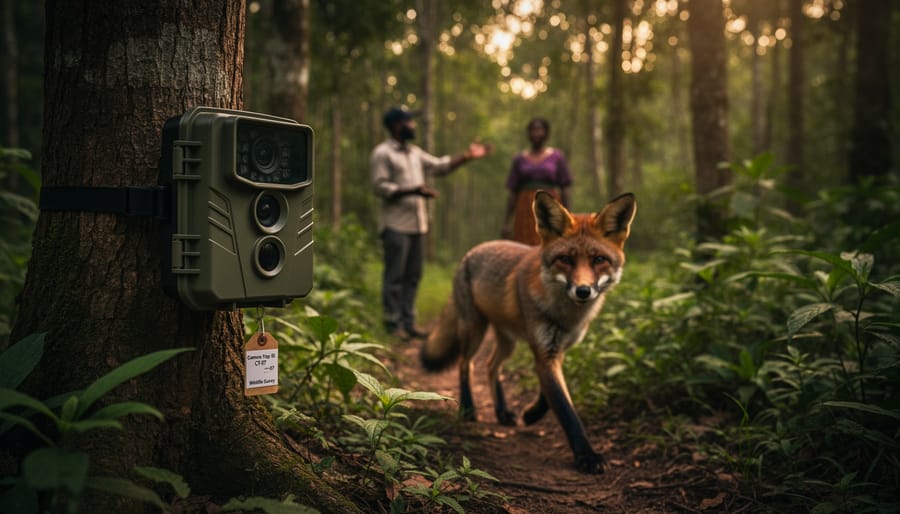
“How Can My Actions Really Make a Difference?”
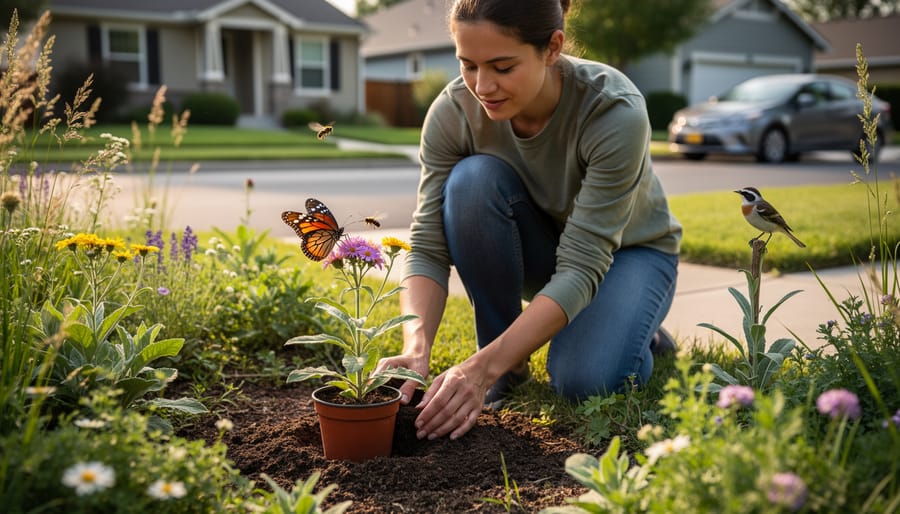
Your morning coffee choice creates ripples far beyond your kitchen. When you opt for shade-grown beans, you’re preserving forest canopy that shelters migratory songbirds across two continents. That single decision, multiplied across neighborhoods, maintains vital habitat corridors connecting breeding and wintering grounds.
The scale-up effect works because wildlife doesn’t recognize property lines. A quarter-acre yard becomes part of a larger ecosystem when you adopt backyard habitat strategies like native plantings and chemical-free lawn care. In suburban Minneapolis, residents transformed 200 disconnected yards into a three-mile pollinator pathway, boosting native bee populations by 40% in two years. Each participating household contributed differently, some added wildflower patches, others installed water features, but the cumulative effect created functional wildlife habitat where none existed before.
Consumer choices shape landscapes you’ll never visit. Choosing FSC-certified wood products signals demand for sustainable forestry that maintains wildlife corridors in distant forests. Purchasing sustainable seafood protects ocean ecosystems that affect coastal bird populations. These aren’t abstract gestures; industry responds to purchasing patterns. When enough consumers shifted to reef-safe sunscreen, major retailers changed their stock, reducing chemical runoff harming coral systems that support thousands of marine species.
Community wins happen when individual actions converge. In Austin, backyard composting by 5,000 households reduced urban food waste attracting problematic species, while creating healthier soil that supported native plants favored by local wildlife. Start where you are, with what you can control. Your patch of earth, your shopping cart, these are real tools for real change.
“Why Should I Care About Species I’ve Never Seen?”
When a sea otter disappears from a kelp forest thousands of miles away, the effects can ripple through to your local coastline. It sounds implausible until you trace the connections: without otters controlling sea urchin populations, kelp forests collapse. Those forests normally absorb massive amounts of carbon dioxide and shelter fish species that migrate along your shore. Suddenly, a distant species becomes part of your carbon footprint and fishing economy.
This interconnectedness runs deeper than most of us realize. Pollinators in Central American rainforests ensure coffee grows; their decline affects your morning routine. Sharks maintaining healthy fish populations in one ocean influence the seafood available in markets continents away. Even species you’ll never encounter personally serve as early warning systems, their struggles often signal environmental changes heading our way.
The practical reality is this: ecosystems don’t respect borders. A fungal disease wiping out amphibians in Panama eventually reaches North American wetlands. Migratory birds connect hemispheres, carrying seeds and controlling insect populations across multiple countries during their journeys.
Your wellbeing depends on species you’ve never seen because nature operates as an integrated system, not isolated compartments. When we protect distant wildlife, we’re maintaining the biological infrastructure that supports clean air, stable climates, and food security everywhere, including right where you live.
“Are Wildlife Populations Really Declining, or Is It Just Media Hype?”
The numbers are real, but they tell a more nuanced story than headlines often suggest. The World Wildlife Fund’s Living Planet Report documents an average 69% decline in monitored vertebrate populations since 1970, a sobering figure that reflects genuine habitat loss, climate disruption, and human pressure. However, this represents averages across species and regions, not uniform collapse. Some populations thrive while others crash, which is why understanding the data matters more than reacting to a single statistic.
Media coverage sometimes amplifies worst-case scenarios or oversimplifies complex trends, making it essential to spot misinformation and seek sources that present context alongside concern. Monitoring programmes track these changes precisely because knowledge drives effective action. When we know which species face pressure and why, conservation efforts can target real needs rather than vague worries.
The hopeful counterpoint: targeted interventions work. Humpback whales rebounded from near-extinction after hunting bans. Bald eagles recovered through DDT restrictions and habitat protection. These successes prove that informed action reverses decline. The question isn’t whether populations are struggling, data confirms many are, but whether we’ll apply proven solutions before tipping points arrive.
“What’s the Connection Between Climate Change and Wildlife Loss?”
Climate change doesn’t just warm the planet, it rewrites the rules wildlife evolved to follow. Rising temperatures shift breeding seasons out of sync with food availability. A bird might hatch its chicks weeks before the insects they eat emerge, leaving nestlings to starve despite abundant food arriving later. Ocean warming pushes fish populations toward cooler poles, stranding coastal communities and the marine mammals that depend on predictable prey.
Habitat boundaries are moving faster than many species can migrate. Mountain-dwelling animals run out of elevation as temperatures climb. Polar bears lose hunting platforms as sea ice melts earlier each spring. Meanwhile, changing rainfall patterns turn wetlands into deserts and forests into tinderboxes, erasing the homes species need to survive.
The disruption compounds existing threats. Heat stress weakens immune systems, making populations more vulnerable to wildlife disease threats that spread more easily in altered environments. Food webs unravel as climate impacts ecosystems at every level, from plankton blooms to apex predators. What looks like isolated wildlife declines often traces back to this fundamental reshaping of the conditions life depends on.
Questions That Lead to Action
“What’s Happening to Wildlife in My Area?”
Your backyard holds more conservation stories than you might imagine. Start by identifying which species actually share your neighbourhood, many regions maintain online wildlife tracking databases where residents report sightings, creating real-time pictures of local populations. Check your municipal environmental department or regional conservation authority websites for species-at-risk lists specific to your postal code.
Citizen science projects transform curiosity into meaningful data. Apps like iNaturalist let you photograph plants and animals for identification while contributing to biodiversity research. Local nature centres often coordinate monthly monitoring walks where volunteers track bird populations, document invasive species, or assess wetland health. These aren’t just educational, they generate scientific data that informs regional conservation decisions.
Your daily choices ripple through local ecosystems in surprising ways. Actions to reduce textile waste prevent microfibers from entering waterways where aquatic species thrive. Joining community groups that restore degraded habitats or create pollinator corridors connects your street to larger wildlife corridors. Many cities now have online platforms mapping wildlife road crossings, nesting sites, and habitat restoration projects seeking volunteers. Finding what’s happening locally transforms abstract conservation concerns into tangible neighbourhood action.
“Who’s Working on Solutions and How Can I Join Them?”
Conservation organizations operate at every level, from international nonprofits coordinating species recovery programs to neighborhood groups restoring local habitats. The Wildlife Conservation Society, World Wildlife Fund, and regional land trusts lead large-scale projects while recruiting volunteers for fieldwork, data collection, and community education. Many local Audubon chapters, nature centers, and watershed councils welcome anyone willing to learn, regardless of experience.
Citizen science platforms like iNaturalist and eBird transform casual wildlife observation into valuable research data that shapes conservation decisions. Your smartphone photos of backyard birds or trail encounters contribute to population monitoring that scientists use to identify trends and prioritize protection efforts.
Connection pathways mirror the step-by-step recycling approach many have already mastered: start with accessible actions like joining online communities, attend a habitat restoration day to meet active conservationists, and explore volunteer coordinator roles as your involvement deepens. Most conservation groups maintain volunteer portals listing upcoming opportunities sorted by commitment level and skill requirements. Universities with ecology programs, botanical gardens, and wildlife rehabilitation centers also offer pathways into conservation work, often providing training for newcomers eager to contribute meaningfully.
Turning Curiosity Into Conservation
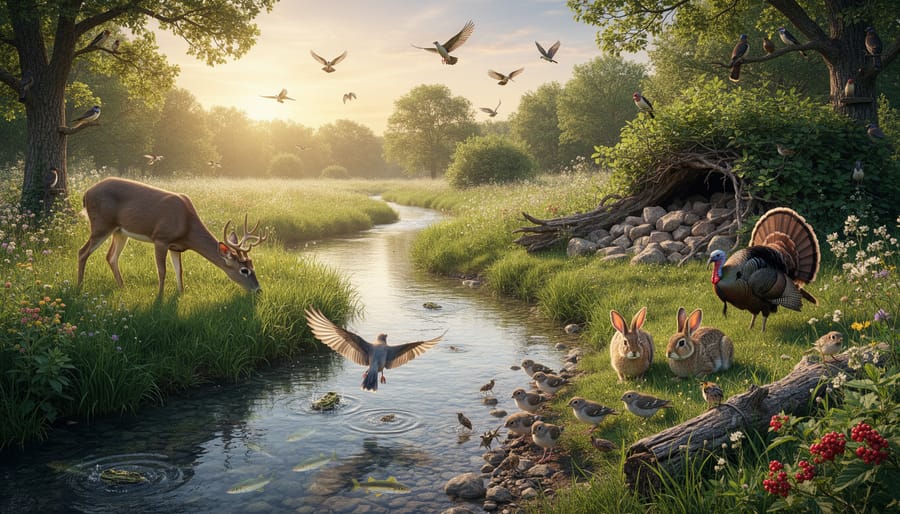
Curiosity becomes conservation when you treat it as a skill to develop rather than a feeling to satisfy once and move on. Start by building a question habit: when you encounter wildlife news or see an animal in your neighborhood, pause and ask “why now?” or “what changed?” These follow-up questions reveal patterns that surface-level facts miss.
Reliable information lives in specific places. Government wildlife agencies publish monitoring data without commercial bias. University extension offices translate research into practical guidance. Organizations like the Cornell Lab of Ornithology and local Audubon chapters combine scientific rigor with accessible explanations. When you find a trustworthy source, explore their archives, conservation stories build on each other, and understanding last year’s challenges clarifies this year’s priorities.
Transform what you learn into conversations, not lectures. Share a single surprising fact with a friend over coffee. Post a local wildlife sighting with context about why it matters. When someone asks a question you once had, answer it and mention what sparked your own curiosity. These small exchanges create ripples.
Join one thing. Pick a single citizen science project, attend one trail cleanup, or commit to one online conservation community. Consistent participation in a focused area builds expertise and relationships faster than scattered involvement across many causes. Your questions get sharper when you’re learning alongside others who care about the same local ecosystem you do.
The conservation community needs questioners as much as it needs experts, often more.
Every wildlife champion, scientist, and conservationist started exactly where you are now: with questions. The curiosity you feel when you wonder about declining bee populations, changing migration patterns, or how your choices affect distant ecosystems isn’t just valid, it’s vital. These questions are the seeds of understanding, and understanding drives action.
You don’t need to have all the answers before you start making a difference. The person who asks “Why are fireflies disappearing from my neighborhood?” might become the community organizer who restores native plants. The student wondering about ocean plastics could launch a campus-wide reduction initiative. Your questions connect you to a global community of people who refuse to accept wildlife loss as inevitable.
So keep asking. Keep learning. Keep sharing what you discover with others who are just beginning their own journey of curiosity. The questions you’re asking today aren’t just personal, they’re part of humanity’s larger conversation about our relationship with the natural world. And that conversation, fueled by genuine curiosity and concern, has the power to reshape our future.