
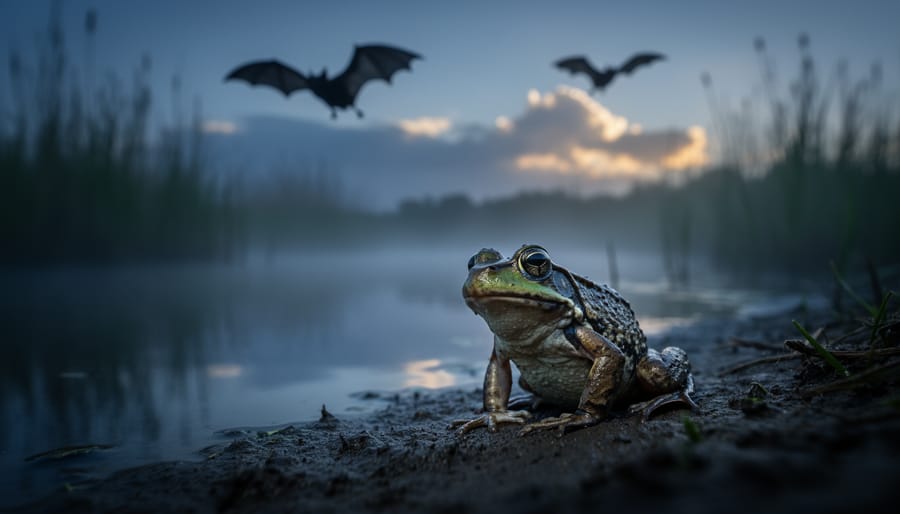
Wildlife diseases represent one of the most urgent yet underappreciated threats to global biodiversity, capable of wiping out entire populations in months and destabilizing ecosystems that have taken millennia to develop. From white-nose syndrome decimating bat colonies across North America to chytridiomycosis pushing hundreds of amphibian species toward extinction, infectious diseases now rank among the top drivers of wildlife decline worldwide. The crisis intensifies as climate change expands the range of disease-carrying vectors, alters migration patterns that spread pathogens to naive populations, and weakens immune systems through heat stress and habitat degradation.
Understanding this connection matters because healthy wildlife populations provide essential services we depend on: pollination, pest control, water filtration, and carbon storage. When disease outbreaks collapse these populations, the ripple effects touch human communities through crop failures, increased pest-borne illnesses, and economic losses in industries from agriculture to ecotourism.
The encouraging news? Scientists and conservationists have developed proven strategies to detect, prevent, and even reverse disease-driven declines. Vaccination programs have saved black-footed ferrets from plague. Careful population management helped Tasmanian devils survive their facial tumor epidemic. Early warning systems now flag emerging outbreaks before they spiral out of control.
This guide explores how wildlife diseases spread, why climate change amplifies the threat, and what concrete actions researchers, policymakers, and everyday people can take to protect vulnerable species. The solutions exist. They work. They need champions.
Why Wildlife Diseases Matter for Conservation
Wildlife diseases don’t just sicken individual animals. They can push entire species toward extinction and unravel the ecological relationships that keep ecosystems functioning. When a pathogen sweeps through a vulnerable population, the consequences cascade far beyond the immediate deaths.
Consider the Tasmanian devil. Devil facial tumor disease has killed approximately 80% of the wild population since its emergence in the 1990s, transforming a once-common marsupial into an endangered species. The disease spreads through biting during feeding and mating, and because devils have low genetic diversity, their immune systems can’t mount an effective defense. Losing this top predator has allowed mesopredators like feral cats to flourish, which in turn threatens smaller native species.
Amphibians face a similar crisis with chytridiomycosis, a fungal infection that has contributed to the decline of over 500 species worldwide. Some populations have vanished entirely within months of the fungus arriving. Because amphibians control insect populations and serve as prey for countless predators, their collapse destabilizes wetland and forest ecosystems across continents.
The ripple effects reach human communities too. In East Africa, anthrax outbreaks in wildlife populations spill over to livestock, devastating pastoralist livelihoods. When disease decimates game species, tourism-dependent communities lose their economic foundation. In North America, chronic wasting disease in deer and elk costs states millions in management efforts while undermining hunting traditions and wildlife-watching economies.
Marine ecosystems face equally severe threats. Mass die-offs of sea stars along the Pacific coast from sea star wasting disease removed a keystone predator, allowing sea urchins to overgraze kelp forests. These underwater forests provide habitat for hundreds of species and buffer coastlines from storms, making their loss a conservation emergency with tangible human consequences.
The pattern repeats globally: disease emerges, populations crash, ecosystems shift, and communities that depend on healthy wildlife suffer the fallout.
Major Wildlife Diseases Impacting Conservation in 2026
Fungal Infections
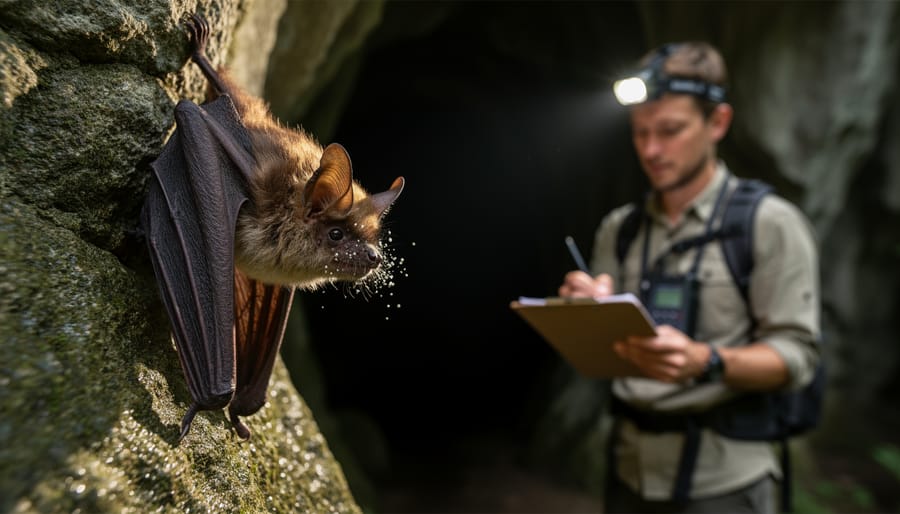
Fungal pathogens have devastated wildlife populations across North America and beyond, with two diseases standing out for their severe conservation impact.
White-nose syndrome has killed over six million bats since 2006. The cold-loving fungus Pseudogymnoascus destructans spreads through direct contact between bats and through contaminated cave environments. It disrupts hibernation by causing bats to wake repeatedly during winter, depleting their fat reserves before spring arrives. Little brown bats, once among North America’s most common species, have declined by 90% in affected regions. This collapse threatens agriculture and ecosystems that depend on bats’ nightly insect control.
Chytridiomycosis attacks amphibians through the skin fungus Batrachochytrium dendrobatidis (Bd). It disrupts their ability to absorb water and electrolytes, often proving fatal. Researchers estimate Bd has contributed to declines in over 500 amphibian species worldwide and driven at least 90 species to extinction. The fungus spreads through water, contaminated equipment, and the wildlife trade. Climate patterns influence outbreak severity, some populations suffer massive die-offs during particular temperature and moisture conditions, while others show resistance.
Both diseases demonstrate how quickly pathogens can reshape ecosystems when conditions align.
Viral Diseases
Viral diseases cut across species boundaries in ways that catch conservationists off guard. Canine distemper virus, originally associated with domestic dogs, now threatens populations far beyond its familiar hosts. In African lion populations, outbreaks have killed hundreds of individuals in single events, weakening prides already stressed by habitat fragmentation. The same virus strikes marine mammals, seals, sea lions, and dolphins, causing neurological damage and mass die-offs along coastlines where wildlife encounters human activity and its pathogens.
Big cats in Asia face similar viral threats. Amur tigers, already critically endangered with fewer than 600 individuals remaining, show vulnerability to distemper that could devastate recovery efforts. One outbreak in a small population could erase decades of conservation progress.
Primate populations confront their own viral challenges. Ebola has killed thousands of gorillas and chimpanzees in Central Africa, with some populations losing 90% of their numbers. Respiratory viruses, often resembling human colds and flu, spread through great ape communities with alarming ease, particularly in areas where eco-tourism brings people close to habitats. Climate-driven range shifts push species into new territories where they encounter unfamiliar pathogens, creating unpredictable disease dynamics that complicate protection strategies.
Bacterial and Parasitic Infections
Bacterial and parasitic infections present distinct conservation challenges because they often spread silently through populations before symptoms appear. Avian cholera strikes waterfowl during migration, killing thousands of ducks and geese within days when they congregate at stopover sites. The bacterium thrives in wetlands stressed by drought and warming temperatures, creating deadly hotspots where birds rest and refuel.
Chronic wasting disease (CWD) represents an even more insidious threat to deer, elk, and moose across North America. This fatal neurological condition spreads through contaminated soil and vegetation, where infectious prions can persist for years. Once established in an area, CWD is nearly impossible to eliminate. Affected populations show declining health, abnormal behavior, and eventual death, disrupting predator-prey relationships and ecosystem balance.
Management requires coordinated efforts across jurisdictions. Wildlife agencies monitor disease prevalence through testing programs, adjust hunting regulations to prevent overcrowding, and work to limit artificial feeding that concentrates animals. Some states have implemented carcass movement restrictions to slow CWD’s geographic spread, though the disease continues expanding its range annually.
The Climate Connection: How Environmental Change Fuels Disease Spread
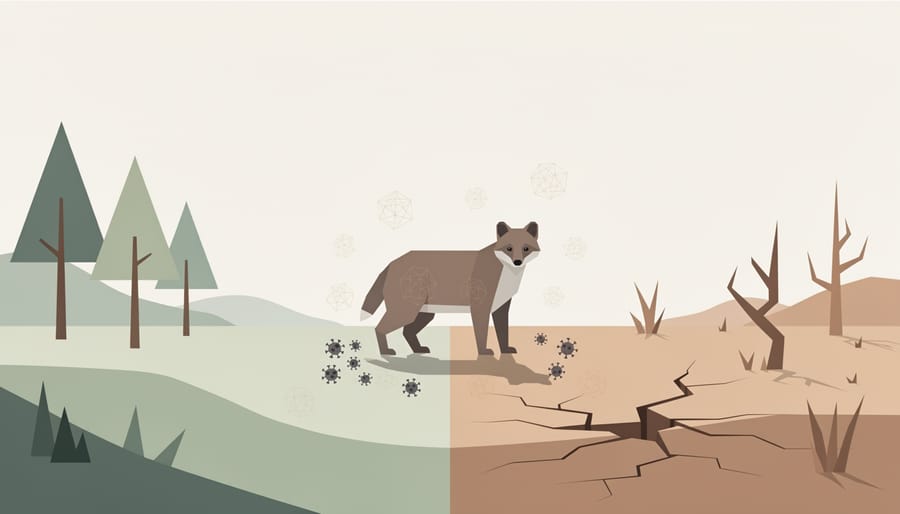
Climate change isn’t just melting glaciers and raising sea levels, it’s fundamentally rewriting the rules of wildlife disease. As temperatures climb, pathogens that once stayed locked in specific regions are expanding into new territories, finding hosts that have never encountered them before.
Warming temperatures create longer breeding seasons for disease-carrying insects like mosquitoes and ticks. A single degree of warming can push these vectors hundreds of kilometres northward, bringing diseases like West Nile virus to bird populations that lack natural defenses. In Alaska, researchers have documented tick species appearing for the first time in recorded history, carrying pathogens that threaten moose and caribou populations already stressed by habitat changes.
The timing disruptions hit wildlife hard. Species that evolved migration patterns over millennia now arrive at breeding grounds weeks earlier or later than optimal, missing peak food availability. This nutritional stress weakens immune systems precisely when animals face new disease exposures. Arctic-nesting birds, for instance, now overlap with southern species during migration, creating novel disease transmission pathways that didn’t exist a generation ago.
Extreme weather events compound these pressures. Droughts force wildlife to concentrate around shrinking water sources, creating perfect conditions for disease transmission. Floods wash pathogens into new areas and stress animal populations. Hurricanes can spread mosquito-borne diseases across vast distances in a matter of days.
Perhaps most insidiously, rising temperatures directly boost pathogen reproduction rates. Fungal infections like those decimating bat and amphibian populations thrive in the warmer, wetter conditions climate change creates. What once would have been isolated outbreaks now cascade into population collapses.
Understanding this connection matters because it reveals that protecting wildlife health means addressing the root cause: our changing climate. Every action we take to reduce emissions and restore ecosystems strengthens the natural defenses that keep both wildlife and human communities safe.
Conservation Responses: What’s Being Done
Scientists and conservationists have developed a robust toolkit for combating wildlife diseases, and many approaches are already saving species from the brink.
Vaccination programs represent one of the most direct interventions. Wildlife managers in the United States distribute oral rabies vaccine baits for raccoons and foxes, successfully pushing rabies out of large regions. In Ethiopia, veterinary teams vaccinate domestic dogs in villages bordering wolf habitats, creating a protective buffer that has dramatically reduced canine distemper outbreaks in the critically endangered Ethiopian wolf population. These targeted campaigns demonstrate that even wide-ranging wild animals can benefit from immunization strategies.
Habitat restoration tackles disease at its source. When conservationists restored wetlands in California’s Central Valley, they reduced the concentration of waterfowl at remaining sites, which in turn lowered avian cholera transmission rates. Healthier, more diverse habitats support stronger wildlife populations that can better withstand disease pressure. The strategy addresses both immediate health concerns and long-term ecosystem resilience.
Advanced monitoring systems now detect outbreaks before they spiral out of control. Wildlife health surveillance networks coordinate across borders, sharing real-time data on unusual mortality events. Park rangers, veterinarians, and citizen scientists contribute observations that feed into early warning systems. When white-nose syndrome began spreading westward, this coordinated monitoring allowed managers to close caves proactively and test experimental treatments in bat populations at risk.
Captive breeding programs have rescued species that disease pushed toward extinction. The California condor program not only breeds birds in protected facilities but also treats chicks preventively for lead poisoning, addressing a major health threat. Black-footed ferrets, decimated by plague, now receive vaccines before being released into the wild, giving reintroduced populations a fighting chance against the disease that once nearly eliminated them.
These successes share a common thread: they combine scientific innovation with sustained commitment and adaptive management. Progress happens when researchers, governments, and communities work together with patience and determination.
How You Can Make a Difference
You don’t need to be a wildlife biologist to protect animals from disease. Your everyday choices and actions shape the health of ecosystems, and even small steps create measurable impact when we act together.
Start by supporting organizations doing frontline disease research and monitoring. Groups like the Wildlife Conservation Society and local university labs depend on public funding to track emerging threats, develop vaccines, and respond to outbreaks. A monthly donation of any size keeps their work moving forward. Look for programs specific to your region’s wildlife challenges, whether that’s bat conservation in the Northeast or amphibian recovery in the Pacific Northwest.
Your behavior outdoors matters more than you might think. Here’s how to minimize disease transmission while enjoying nature:
- Clean your boots, bikes, and gear between visits to different natural areas to avoid spreading fungal spores and pathogens
- Never relocate wildlife, feed wild animals, or handle sick or dead animals without proper training
- Keep pets vaccinated and on leash in wildlife areas to prevent disease transfer between domestic and wild animals
- Report sick wildlife to local wildlife agencies, your observations help track outbreaks early
- Stay on marked trails to reduce habitat stress that weakens animal immune systems
Join citizen science projects like iNaturalist or eBird that help researchers spot disease patterns across vast areas. Your photo of a lethargic bird or a frog with unusual skin could flag an emerging outbreak days before official monitoring catches it.
Reduce your environmental footprint by cutting single-use plastics, supporting renewable energy, and choosing sustainably sourced products. Healthier ecosystems mean healthier wildlife with stronger natural defenses against disease. Climate action is disease prevention.
Common Questions About Wildlife Diseases and Conservation
Can wildlife diseases spread to humans or pets?
While some wildlife diseases can jump species barriers, most pose minimal risk to humans and domestic animals. Rabies and avian influenza require caution, but simple precautions like avoiding sick wildlife, keeping pets vaccinated, and practicing good hygiene after outdoor activities significantly reduce transmission risks.
Is it still safe to hike and enjoy nature in areas affected by wildlife diseases?
Absolutely. Recreational activities remain safe when you follow basic guidelines: don’t handle wildlife (dead or alive), clean your boots between different natural areas to prevent spreading fungal spores, and keep dogs on leashes in areas with known outbreaks. These simple steps protect both you and wildlife populations.
How do scientists track wildlife diseases across vast areas?
Researchers combine field surveys, citizen science reports, GPS tracking of tagged animals, and laboratory testing to monitor disease patterns. This network creates early warning systems that help conservation teams respond quickly when outbreaks emerge, much like public health systems monitor human diseases.
How does addressing climate change help prevent wildlife diseases?
Reducing our environmental impact strengthens wildlife immune systems and limits disease spread. Actions like textile waste reduction supporting K-Cycle recycling and learning to recycle clothing step-by-step reduce pollution and resource extraction, which means less habitat destruction and fewer stressed animal populations vulnerable to infection.
Understanding these basics empowers you to enjoy nature responsibly while supporting conservation efforts. The connection between everyday environmental choices and wildlife health isn’t always obvious, but your actions to reduce waste and combat climate change create healthier ecosystems where diseases spread less easily. When habitats remain intact and animals aren’t stressed by extreme weather or pollution, their natural defenses work better against pathogens. That’s why individual commitment to sustainability matters for species survival.
The health of our wildlife reflects the health of our planet, and when we protect ecosystems, we create natural defenses against disease. Every action we take to slow climate change, preserve habitat corridors, and reduce pollution directly supports wildlife immune systems and limits the spread of pathogens. This isn’t just about saving individual species. It’s about maintaining the ecological balance that sustains us all.
The good news? We’re not starting from scratch. Conservation successes prove that targeted action works, whether that’s vaccine programs for endangered ferrets or habitat restoration for disease-stressed amphibians. Scientists are developing better monitoring tools. Communities are mobilizing to protect local ecosystems. Young people are demanding meaningful climate action. Progress is happening, but it needs momentum.
You don’t need a biology degree to contribute. Supporting conservation organizations, practicing responsible outdoor recreation, and sharing accurate information all matter. In an era of misinformation about wildlife and environmental issues, your willingness to learn and spread credible knowledge helps build informed communities that make better decisions.
connects you with the latest research, conservation stories, and practical steps to reduce your environmental impact. Join readers who are turning concern into action. Explore our resources on climate solutions, participate in citizen science projects, and become part of a network working toward healthier ecosystems. Wildlife diseases present a serious challenge, but together, we have the tools and knowledge to respond effectively.