
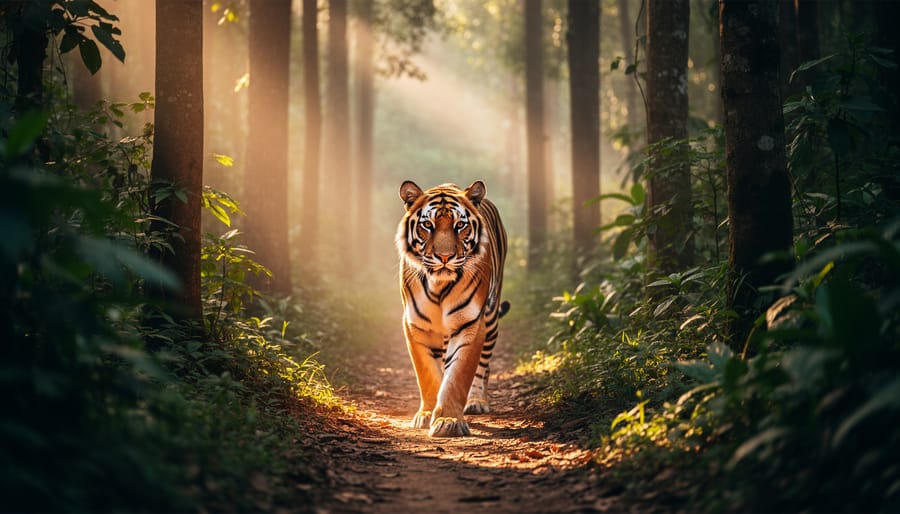
Tiger conservation efforts are the coordinated actions that governments, scientists, local communities, and conservation groups take to stop tigers from disappearing and help wild populations recover. That includes protecting forests, patrolling against poaching, reconnecting broken habitat, and working with the people who live beside tigers every day.
The stakes are real. Tigers have lost most of the range they once held, and a century ago there were far more of them roaming Asia than there are now. But this isn’t only a story of loss. In recent years, several countries have reported growing tiger numbers after investing in protected reserves, stronger enforcement, and community partnerships. That tells us something hopeful: when people commit to the work, tigers can bounce back.
Tigers also matter beyond their own survival. As apex predators, they keep prey populations in check, which keeps whole forest ecosystems healthy. Protecting a tiger means protecting the water, trees, and countless species that share its home.
This article explains how tiger conservation works, who is behind it, and what’s making a difference on the ground. You’ll also find simple, practical ways to take part, whether you’re a student, an educator, or someone who just wants to help.
What Tiger Conservation Really Means
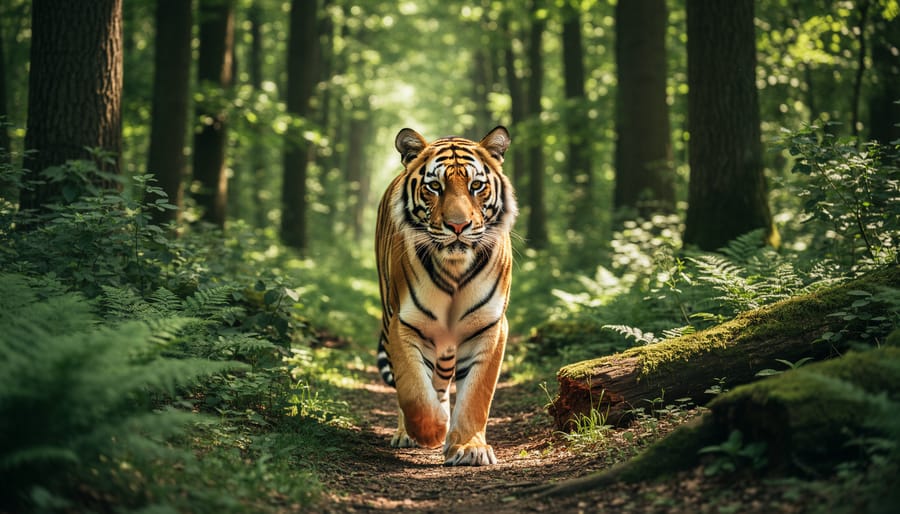
Tiger conservation is the work of keeping wild tigers alive and thriving by protecting the forests they live in, the prey they depend on, and the people who share those landscapes. It’s less about saving one animal and more about keeping an entire living system in balance.
That’s why tigers are called an “umbrella species.” Because a tiger needs a huge territory, plenty of deer and wild pigs to eat, and clean water nearby, protecting its home shelters thousands of other plants and animals along the way. Researchers have studied the umbrella species concept for years, and it’s a big reason tigers get so much conservation attention.
- Umbrella species
- An animal whose protection also protects the many other species that share its habitat.
- Habitat corridor
- A strip of connected forest or land that lets wildlife travel safely between larger habitat areas.
- Poaching
- The illegal hunting or capturing of wild animals, often for profit.
- Human-wildlife conflict
- Tension that arises when wild animals and people compete for space or resources, such as when a tiger preys on livestock.
- Protected area
- Land set aside by law to safeguard wildlife and ecosystems from damaging activity.
- Camera trapping
- Using motion-triggered cameras to photograph wildlife without disturbing it.
Tigers face a few main pressures: shrinking habitat as forests are cleared for farming and development, poaching, and conflict with nearby communities. These are real challenges, but they’re also ones people are actively solving, from connecting forest patches to helping villagers protect their livestock.
The payoff reaches well beyond tigers. Healthy tiger forests filter drinking water, hold soil in place, and store large amounts of carbon, which helps slow climate change. Protecting tigers is climate action in disguise.
How Tiger Conservation Works on the Ground
Protecting and Reconnecting Habitat
A tiger needs a lot of space. A single adult male can patrol a territory of well over a hundred square kilometres, depending on how much prey the forest holds. Protected reserves give tigers that room to hunt, raise cubs, and live without constant disturbance from roads, farms, and logging.
But a reserve on its own isn’t always enough. Many tiger forests are now islands, surrounded by fields, towns, and highways. When tigers can’t leave their patch, populations become isolated, and related animals end up breeding with each other. Over time, that weakens the population’s health and makes it more vulnerable to disease and sudden setbacks.
That’s where wildlife corridors come in. A corridor is a strip of forest, grassland, or other natural cover that links one protected area to another. Think of it as a green bridge. Young tigers, which must leave their mothers’ territories to find their own, can use corridors to travel safely, find mates, and settle new ground.
Restoring a corridor often means replanting native trees, working with farmers and villages, or building underpasses beneath busy roads. These steps are practical and well within reach. Connected landscapes help tigers, and they also keep entire forests healthier.
Guarding Against Poaching and Illegal Trade
Poaching and illegal wildlife trade remain real pressures on tigers, but they’re also among the most workable problems in conservation, because the solutions are well understood and proven in practice.
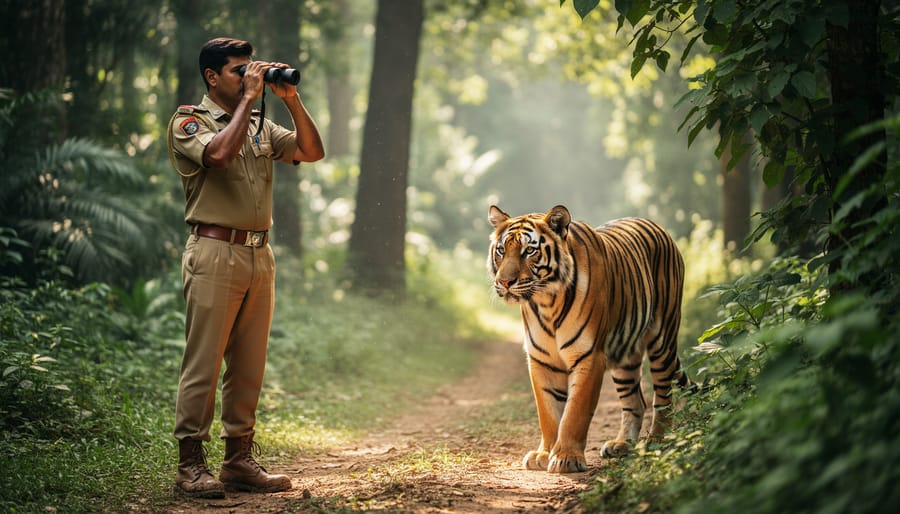
It starts with rangers. Regular foot patrols through tiger habitat do more than catch poachers. Their steady presence deters illegal activity in the first place, and rangers also remove snares, document signs of tiger activity, and report anything unusual. Better training, reliable equipment, and fair pay help rangers do this demanding work safely and effectively.
Local communities are just as important. When residents living near tiger reserves have trusted ways to share what they see, such as unfamiliar visitors or suspicious activity, authorities can respond faster. Community watch networks work best when people also benefit from protecting wildlife, through jobs, local enterprise, or shared tourism income.
Tigers don’t recognize borders, and neither does wildlife trafficking. That’s why countries cooperate by sharing intelligence, coordinating enforcement, and strengthening wildlife laws. Customs officers, police, and conservation groups increasingly work together to disrupt trade routes, not just stop individual poachers.
Together, these layers create a protective net: rangers on the ground, neighbors who care, and governments working side by side.
Counting Tigers With Science and Technology
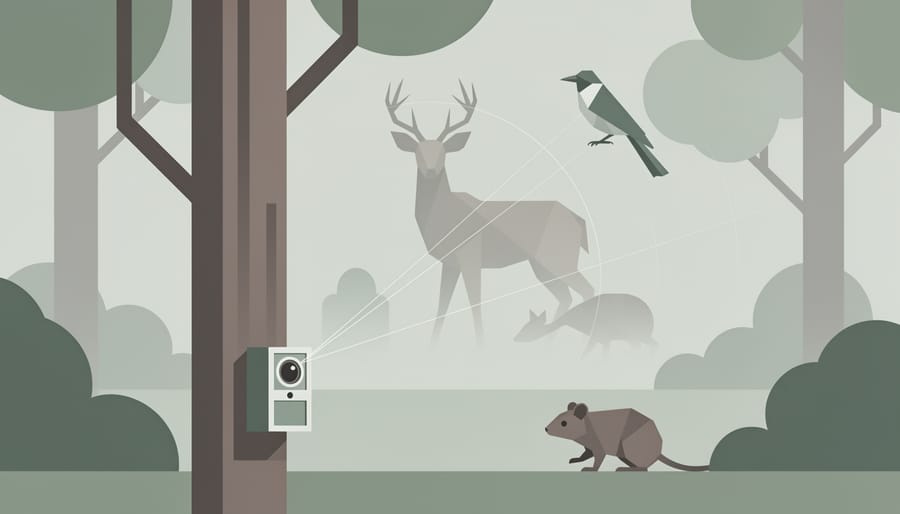
You can’t protect what you can’t count, so tiger researchers lean on a few clever tools to see how populations are really doing. Scientists often combine non-invasive camera and genetic methods to track tigers without ever having to disturb them.
Here’s what each tool reveals:
- Camera traps, motion-triggered cameras strapped to trees, capture photos of passing tigers, and each cat’s unique stripe pattern works like a fingerprint.
- DNA sampling from scat means lab analysis of droppings, which identifies individual tigers, their sex, and how related they are.
- Population surveys combine these records with habitat checks to estimate how many tigers live in an area.
Why does this matter? Repeated counts show whether numbers are rising or falling, which tells conservationists if patrols, protected habitat, or community programs are actually working. Good data turns hopeful effort into proven progress.
Helping People and Tigers Share the Land
When tigers and people live side by side, trouble often starts with something simple: a lost goat or a frightened family. Conservation groups tackle this by making coexistence safer and more rewarding.
Livestock protection is the most practical step. Predator-proof corrals, sturdy night enclosures, and guard dogs keep animals safe, which means fewer reasons for a farmer to see a tiger as a threat. Some programs also offer compensation when livestock is lost, easing the financial sting.
Early warning systems help too. Camera traps and village alert networks can signal when a tiger is nearby, so people can steer clear and avoid dangerous surprises.
Then there’s the bigger shift: giving communities a real stake in tiger survival. Ecotourism, guiding, handicrafts, and homestays turn living tigers into a source of steady income. When a healthy forest pays the bills, neighbours become protectors, and that’s where lasting change begins.
Who Is Making a Difference: Empowerment Stories
Behind every protected tiger landscape is a crowd of people whose names rarely make headlines. Rangers walk patrol routes for days, often away from their families, checking for snares and recording tracks in the mud. Many come from villages right next to the reserve, so they know the forest the way most of us know our own neighbourhood. That local knowledge is hard to replace.
Community members play just as big a part. In many tiger regions, villagers join wildlife watch groups, help build predator-proof pens for livestock, or guide visitors through the forest. When a healthy tiger population means steady work and a better school, people have a real reason to protect it. Conservation sticks when it benefits the neighbours.
Researchers add another layer. Biologists and field technicians set up camera traps, analyze tiger stripes to tell individuals apart, and track pressures like wildlife diseases that can quietly weaken animal populations. Their findings help managers decide where to focus limited resources.
Then there are the young advocates. Students start school clubs, organize fundraisers, and make art or short videos that carry tiger stories far beyond the forest. Some of the most creative awareness campaigns begin with a single teenager who simply cared enough to speak up.
Notice what these people share: none of them waited for a perfect moment or a special title. Each started with one small, steady action and kept going. That is the heart of positive change, and it is open to anyone willing to learn, share, and show up for the places and animals they care about.
How You Can Support Tigers From Wherever You Live
You don’t need a passport to help tigers. A few steady habits go a long way, and most of them fit into life you already have.
Start with what you buy. Paper and wood products carrying FSC certification come from forests managed to protect wildlife habitat, and palm oil labeled RSPO-certified is grown under standards meant to limit forest clearing. Check labels on packaging, notebooks, and snacks. Cutting down on waste also helps, so look for ways to reduce textile waste by recycling or repurposing old clothing.
Next, put your money and time behind groups that do the work. Look for conservation organizations that publish annual reports, share how funds are spent, and partner with local communities. Even a small monthly donation or a fundraiser with friends makes a difference.
Awareness spreads further when it’s accurate. Before you share a viral wildlife story, check where it came from. Building strong misinformation defense habits keeps your voice trustworthy and your message useful.
Educators have plenty of options too:
– Have students track a tiger’s habitat on a map and learn which species share it.
– Run a “label detective” activity where students look for certified paper and palm oil products.
– Invite students to design a short awareness campaign and present it to the school.
Families can choose a “tiger-friendly” shopping day each month, or watch a wildlife documentary together and talk about what they noticed.
Small steps, repeated by many people, are how lasting change happens.
Common Questions About Tiger Conservation
Why do tigers matter to the environment?
Tigers sit at the top of the food chain, so they help keep deer and wild pigs from overgrazing the forest. Protecting them also protects the forests, rivers, and countless other species that share their home.
Can tiger numbers really recover?
Yes, when tigers have safe habitat, enough prey, and protection from poaching, populations can rebound. It takes patience and steady effort, but recovery is possible wherever those conditions are met.
How does tiger conservation connect to climate action?
The forests tigers need store carbon and regulate water. Keeping those landscapes standing is one of the most practical ways to protect wildlife and the climate at the same time.
How can students get involved?
Start small: research a local conservation group, organize a classroom awareness project, or choose sustainably sourced paper and palm oil products. Sharing what you learn with friends and family helps too.
Curious about other topics? Many readers carry bigger wildlife questions than they feel comfortable asking, and that curiosity is a great place to begin. Asking them out loud, in a classroom or around the dinner table, is how awareness turns into action.
When we protect tigers, we protect far more than a single species. We safeguard the forests that store carbon, the watersheds that keep rivers running clean, and the countless creatures that share a tiger’s home. That is the quiet power of conservation: one effort ripples outward into climate, water, and community wellbeing.
No single person or group does this alone. Rangers walking forest trails, scientists reading camera trap photos, villagers building safer livestock pens, and students raising awareness in their classrooms all play a part. Progress comes from many hands, each doing something small and steady.
You have a role too. Share what you learned today with a friend, a classmate, or your family. Start a conversation about why wild places matter. And if you’re ready to do more, join a Toxicnation.ca initiative and add your voice to a growing community working toward a healthier planet.