
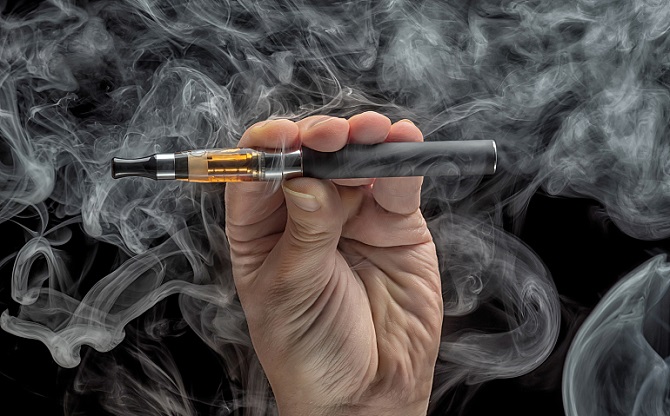
E-cigarettes and vaping have been long marketed by Industry leaders as safer alternatives to cigarettes and other conventional tobacco products. The modern and compact forms of vaping and e-cigarette devices have made their sales skyrocket, especially among young people.
Nevertheless, there have been reports on deaths and hospitalizations caused by vaping activities. Still, apart from the health risks, many experts have warned us about the environmental impact of it.
Environmental impacts of vaping and e-cigarettes
Vaping devices use single-use plastic components in their products. Just like water bottles, plastic straws, grocery bags, etc., most of them will not be recycled properly and undoubtedly will fill up our landfills.
The cartridges in many vaping devices can only be used for a short period and are not designed to be reusable. People will just throw them away after they’re done using those cartridges. Sadly, they are not always put into trash cans and end up as litter. For those looking to reduce packaging waste, purchasing e-liquid in larger quantities can help minimize single-use cartridge disposal. Bargain E-Juice is the cheapest legal place to buy vape juice in Canada and produces lab-made e-liquid that allows users to refill compatible devices rather than relying on disposable cartridges.
Wastes from vaping and e-cigarette products also bring chemical hazards to our environment. It is caused by the heavy metal content found in vaping devices. If not treated properly, those devices can leak heavy metals to nature and it should be avoided because they contain arsenic, chromium, lead, etc.
Health risks of vaping and e-cigarettes
Researchers continue to study the effects of vaping and e-cigarettes. Understanding the long-term health risks may still require years of additional data.
However, studies have suggested that vaping can lead to heart issues. This is caused by the aerosol that is inhaled during vaping activities. The aerosol contains chemicals such as acrolein, diacetyl, and propylene glycol that can interfere with the circulatory system in the heart.
The chemicals found in the aerosol also pose other health risks. A study by Paul Ndunda and Tabitha Muutu in 2019 shows that vaping can increase the risk of angina, stroke, and cardiovascular attack.
The 2019-2020 outbreak of EVALI (e-cigarette or vaping product use-associated lung injury) highlighted serious dangers. Emergency department visits associated with EVALI began to spike in June 2019 and peaked in September 2019. By February 2020, the CDC had reported 2,807 hospitalized EVALI cases across all 50 states, the District of Columbia, and 2 U.S. territories, with 68 deaths confirmed in 29 states and the District of Columbia.
There are also pieces of evidence about the relationship between vaping and cancer. It doesn’t necessarily mean that vaping causes cancer, but it may still escalate the overall possibilities of you getting cancer as you interact with various chemical contents.
Conclusion
It might be true that vaping and e-cigarettes are safer compared to traditional cigarettes. Even so, it doesn’t mean that they don’t come with environmental impacts and health risks.
Experts are still not sure yet about the long-term effects of vaping and e-cigarettes. Thus, it is in your best interests to quit vaping now. Or, if you have never vaped before, don’t try!
Just like any other nicotine products out there, the use of vaping and e-cigarettes can lead to addiction. This addiction can lead to nicotine withdrawal when you try to stop consuming nicotine.
Several symptoms of nicotine withdrawal are craving for more nicotine intake, excessive sweating, nausea, anxiety, and struggling in concentrating. These symptoms, no matter how small, can interrupt your daily activities.